
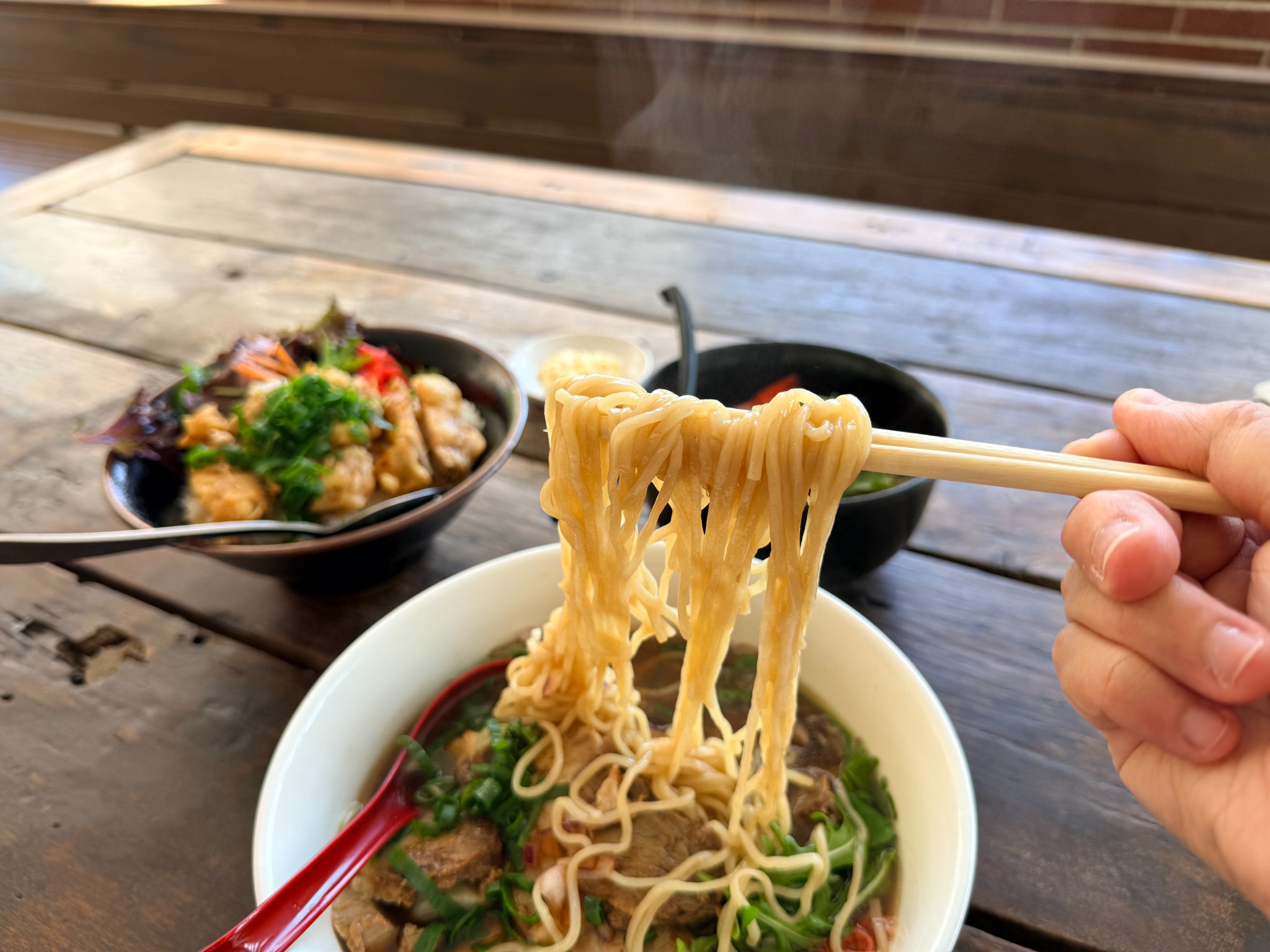
Nestled in the breezy coastal suburb of City Beach is a little Japanese eatery like no other. While ramen restaurants are plentiful, Fat Fish Ramen serves food that feels unmistakably personal—fresh, wholesome and closer to something cooked for you at home than something rolled out by a restaurant chain.
At its heart is a rich golden chicken bone and bonito broth. It’s the kind of stock that speaks to meticulous patience rather than shortcuts, simmered slowly until the bones have given up their goodness.
Like a warm embrace on a chilly evening, a bowl of the broth provides more than sustenance; it leaves you wondering about the story it must tell about the people behind the bowl.
The story of Fat Fish began long before bowls of ramen were being carried out to tables in City Beach.
01
Before Fat Fish
Owner Yoshi first entered Perth’s food scene after spending several years working in restaurants and takeaway shops while establishing a life in Australia and obtaining his permanent residency. Eventually, he found his way to a small food stall at the old Station Street Markets in Subiaco.
For anyone who remembers them, the markets were a sensory jumble: fruit and vegetable stalls, flowers, takeaway food and shoppers squeezing through the narrow aisles during the weekend rush.
It was here, amid the bustle, that both his business and his family stories began to take shape.
Yoshi met his wife while she was working at the food stall. At the time, the young women running it were struggling to keep it going. Yoshi saw an opportunity and decided to purchase the business. The stall sold sushi and rice dishes then—no ramen—and Yoshi renamed it Fat Fish Food. It was hardly a glamorous beginning.
02
A tiny kitchen and six busy years
The kitchen was tiny, and the stall traded only on weekends, from eight in the morning until five in the afternoon. Yet for the next six and a half years, Yoshi worked steadily from that compact kitchen, serving a constant stream of market customers.
There was little space and no grand dining room, but this was where Yoshi learnt what customers returned for, how to run a business and how much could be produced from a kitchen with barely enough room to turn around in.
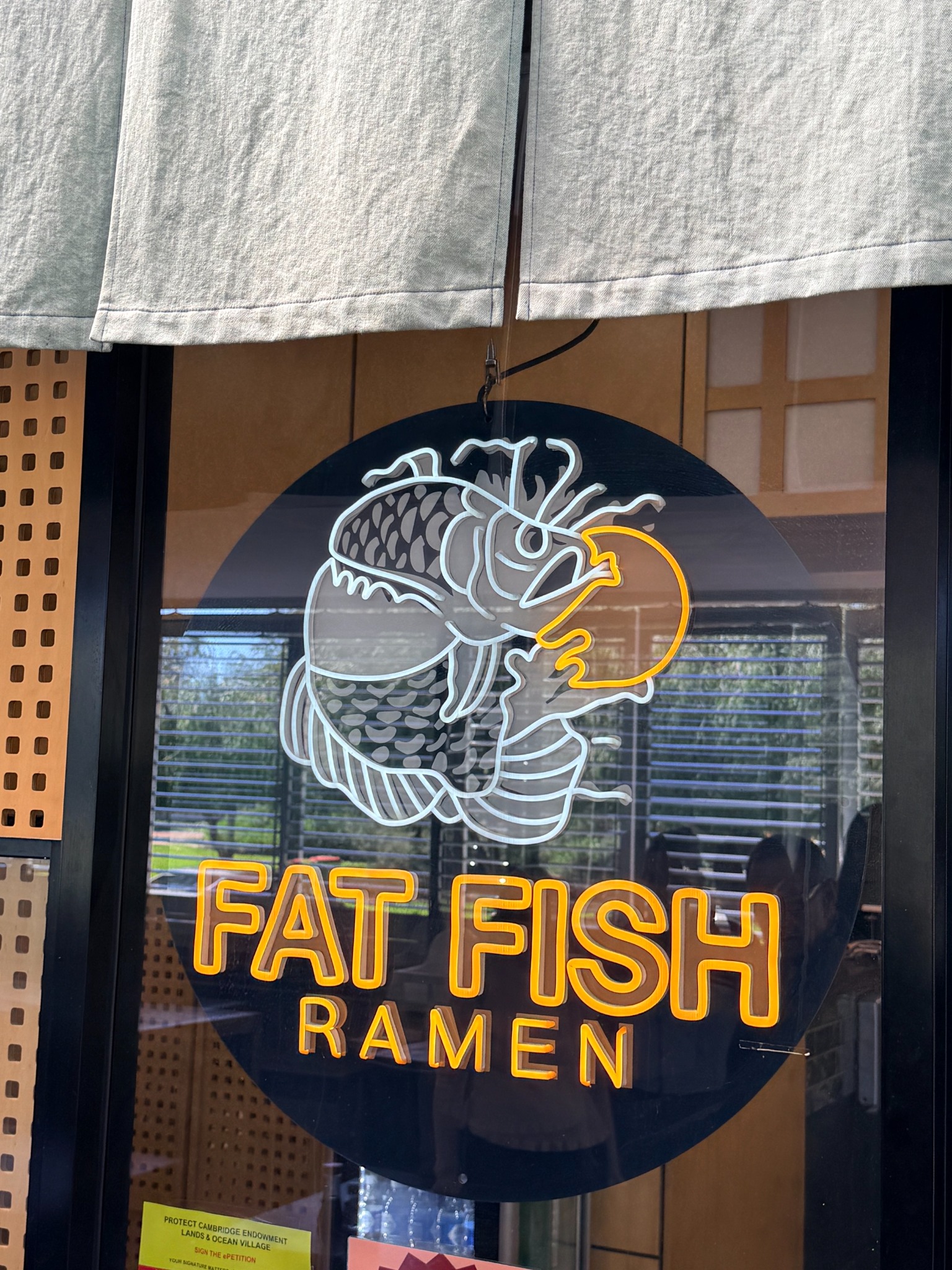
Those years became the foundation of everything that followed. Even the name reveals something of the man behind the counter. Yoshi has always loved fish—catching them, watching them and keeping them as pets—and admits to having a particular affection for the “fat” ones. The other half of the inspiration came from TOTALFAT, his favourite Japanese punk rock band, giving the name’s origins a playful combination of two things he loved.
For many Perth locals, the Station Street Markets were a familiar weekend institution. For Yoshi and his wife, however, the market was much more than that. It was where they met, where they built a business together and where the first chapter of Fat Fish was written.
03
An abrupt end
Then, in 2015, it came to an end. The market’s owners sold up to developers, who replaced the site with a four-storey commercial and retail precinct housing major retailers Coles and Target.
For the stallholders, it meant packing up businesses that in some cases had occupied the market since the day it opened. There was no new Station Street waiting for them elsewhere.
After six and a half busy years, Fat Fish suddenly had no home.
04
Back to Japan
Rather than immediately searching for another premises in Perth, the couple did something they had not had the opportunity to do for more than a decade. They went on a sabbatical.
What followed was an enlightening six-month stay in Japan, divided between Yoshi’s hometown and his wife’s hometown. After more than ten years living and working in Perth, it was a rare chance to spend an extended period with family while raising their young children.
But it was not simply a holiday. While in Japan, Yoshi and his wife went back into restaurant kitchens—this time, ramen kitchens. They worked in different ramen shops, observing how the broth was made, how flavours were balanced and how each kitchen approached a dish that can appear deceptively simple once it reaches the table.
A bowl of ramen is assembled in minutes, but what lies behind it can take hours.
Broth must be simmered. Meat prepared. Eggs cooked and seasoned. Garnishes sliced. Sauces balanced. Noodles timed so that everything arrives in the bowl at precisely the right moment.
This experience gave them the opportunity to immerse themselves in ramen-making at its source, learning from different kitchens and refining techniques that would later influence the next incarnation of Fat Fish in Perth.
In many ways, losing the Station Street stall forced the couple into an unexpected apprenticeship. The business that had begun in a tiny weekend market kitchen was about to evolve into something much more focused. When they returned to Perth, they did not simply recreate what they had left behind.
They brought home a deeper understanding of ramen—and a clearer idea of what Fat Fish could become.
05
The broth
The lesson they carried back from Japan was not that there was only one correct way to make ramen. It was that they had to find their own.
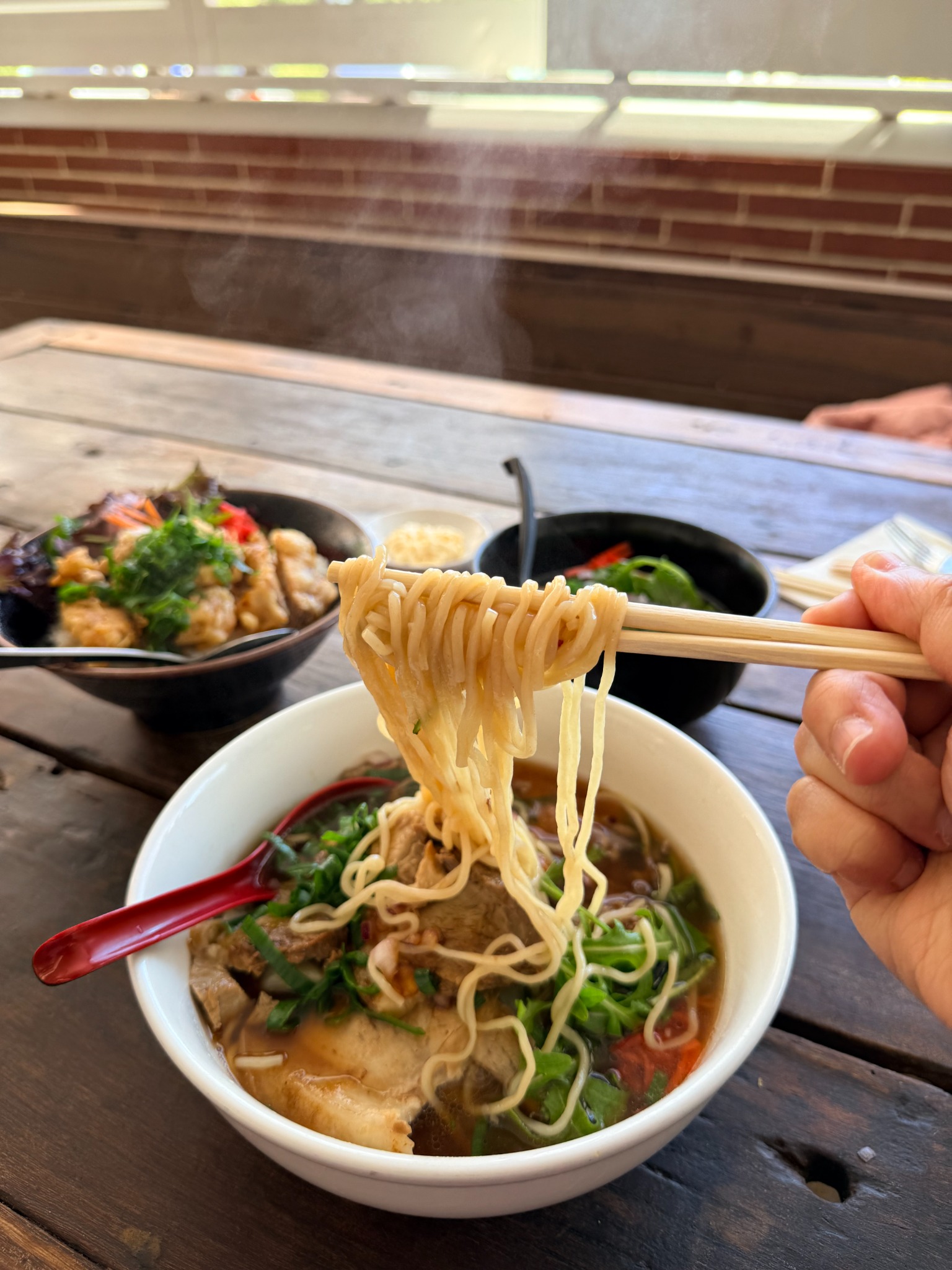
Many ramen broths are heavy, rich and intensely fatty. Fat Fish took a different path, developing a lighter chicken-bone broth with a clear golden colour and a flavour designed to complement rather than overwhelm what sits above it.
The toppings are equally distinctive. Alongside the familiar noodles and meat come fresh rocket, chopped tomato, corn kernels and shallots—the flashes of green and red giving the bowls an almost West Australian brightness.
It is not ramen bound tightly by tradition. Nor is it trying to be. It is the ramen Yoshi and his wife came home wanting to make. And what Perthlings have gladly embraced.
06
Fat Fish Ramen is born
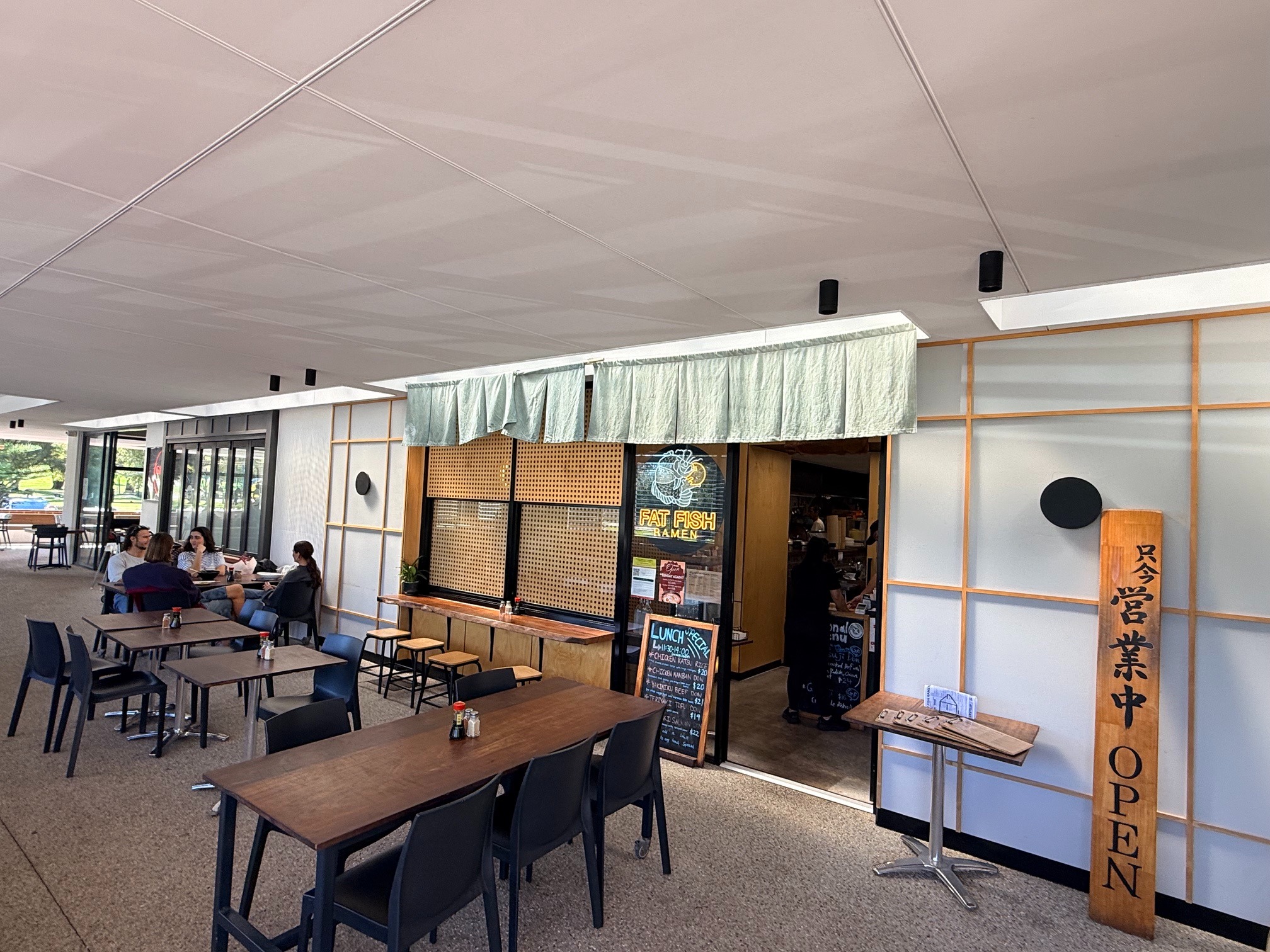
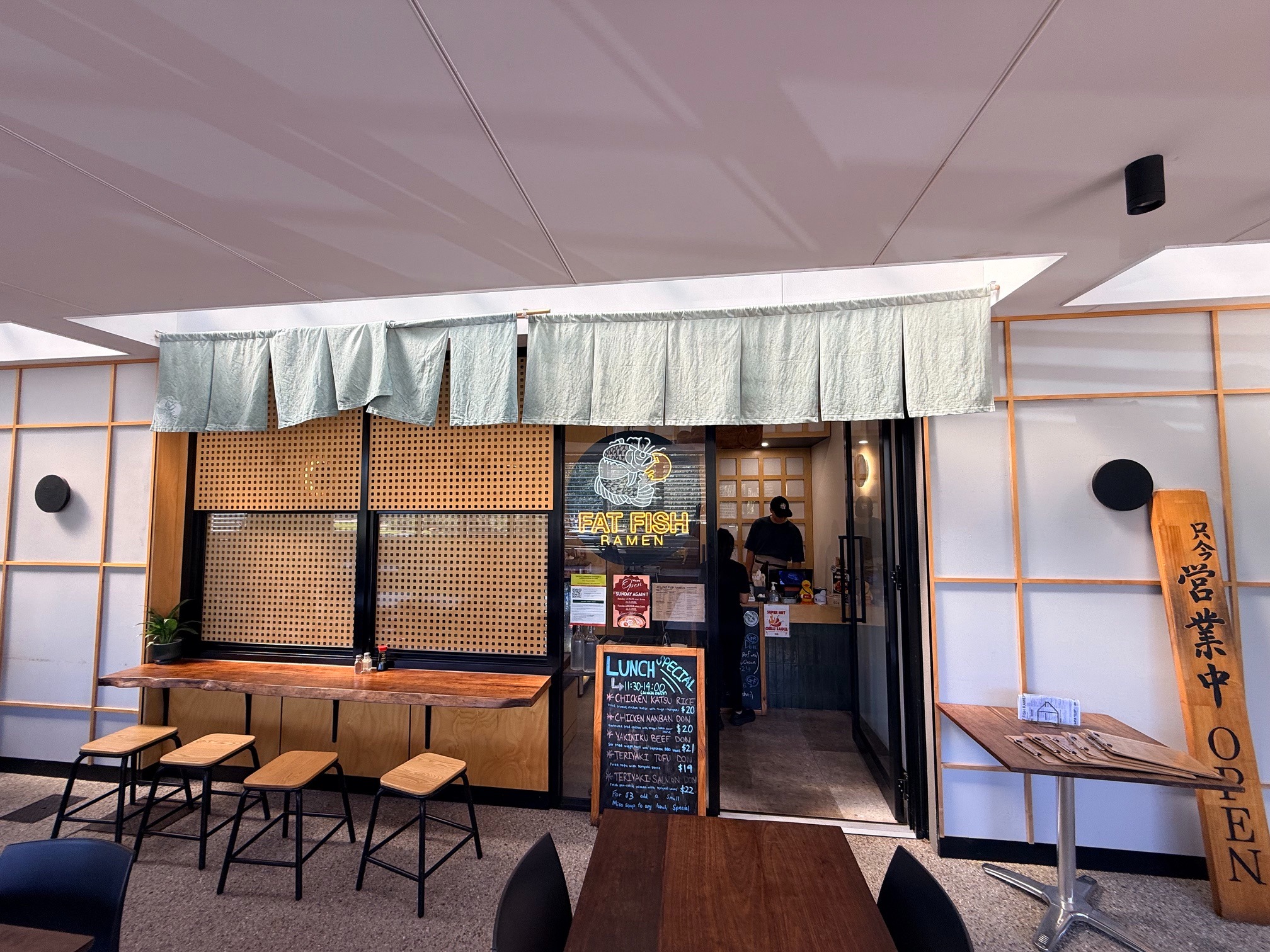
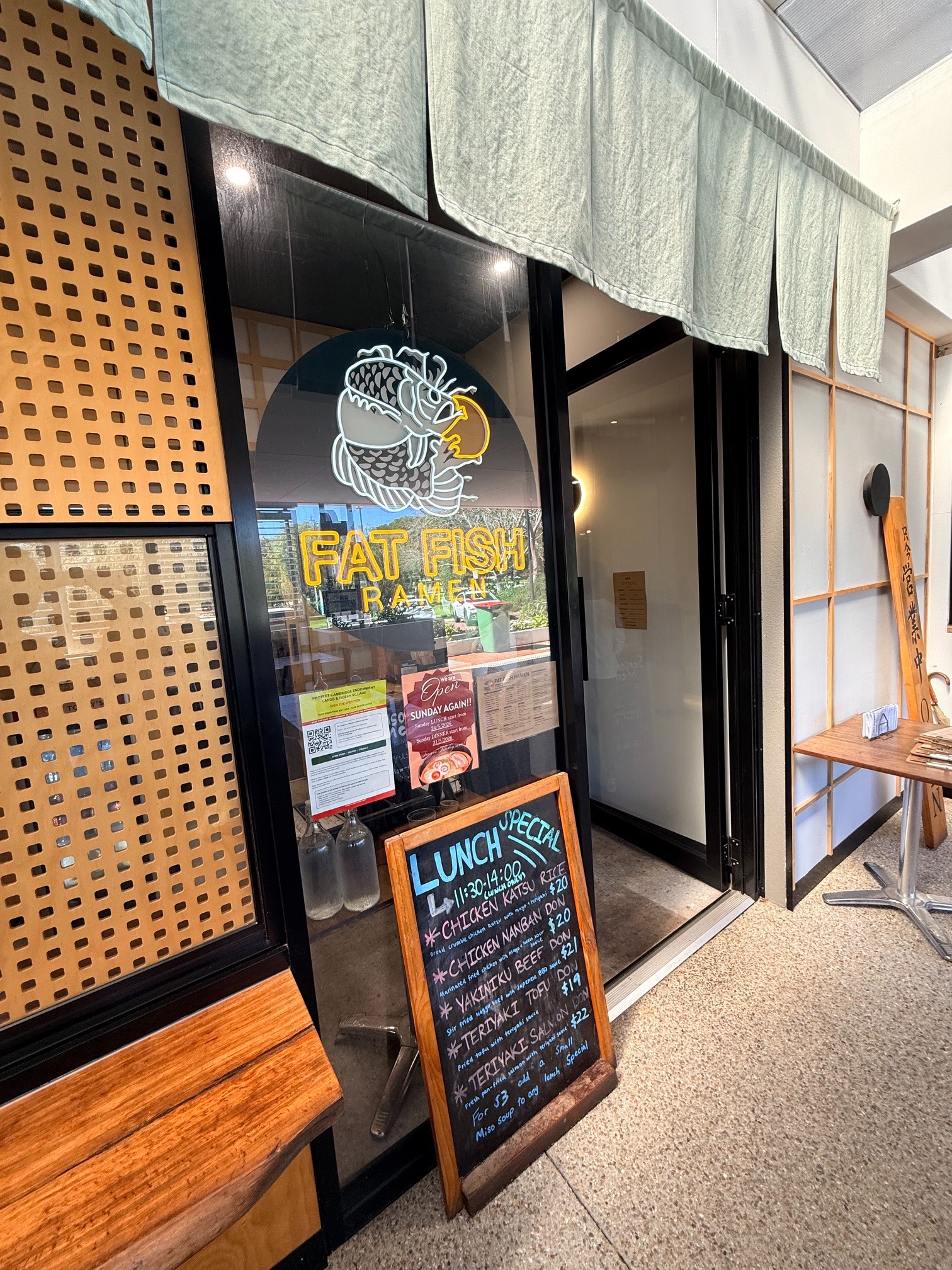
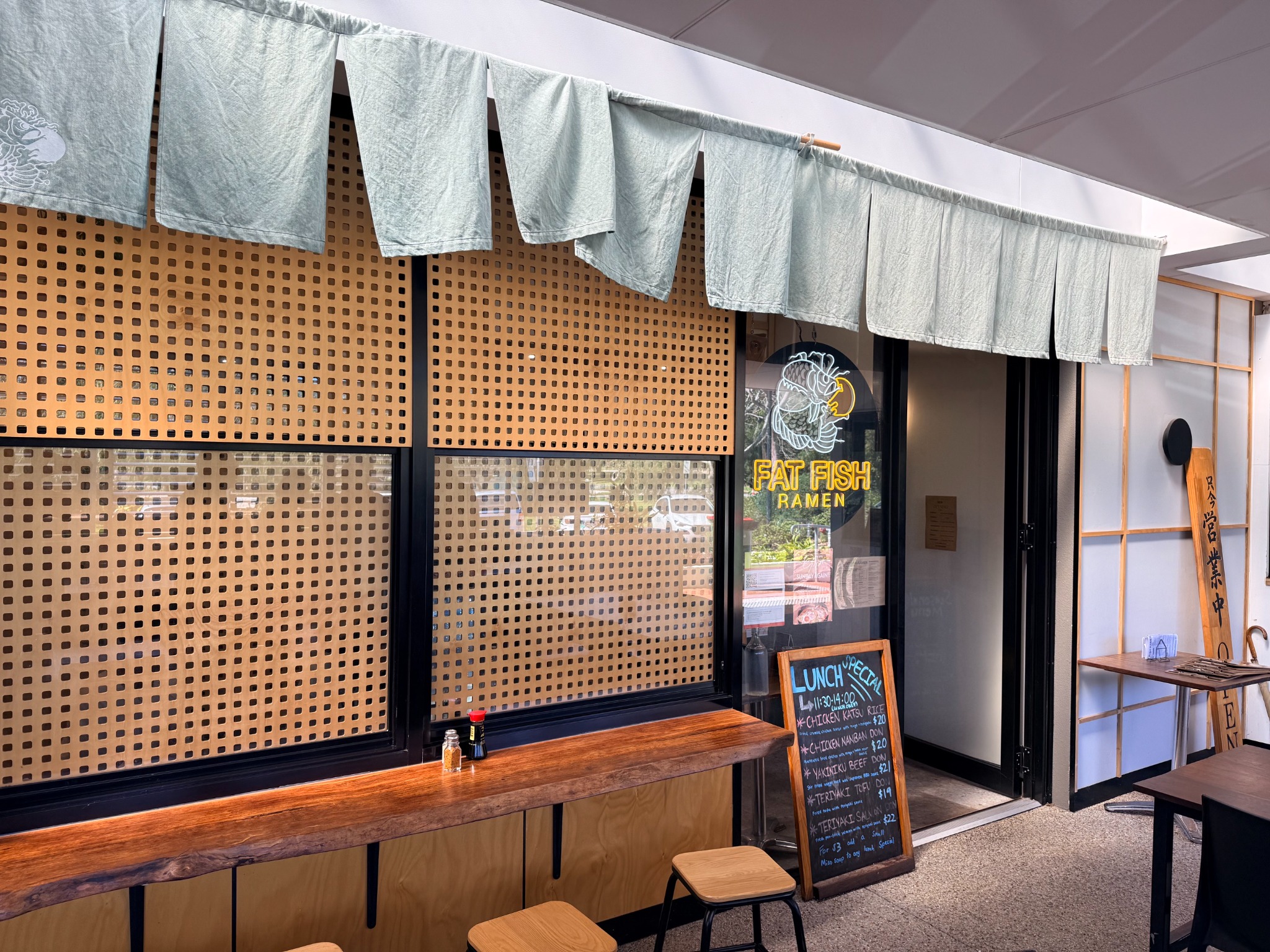
In early 2016, Fat Fish Ramen opened at Empire Village in City Beach. This time there was no weekend market stall and no kitchen squeezed into the corner of a bustling market.
Fat Fish finally had a permanent home. Ramen became its centrepiece, but the menu grew around it: donburi rice bowls, sushi and salads alongside Japanese favourites such as pan-seared pork gyoza and crispy chicken karaage.
Over time, customers—including Yours Truly—found them. Then they kept coming back.
The restaurant survived the upheaval of the pandemic and, more recently, Yoshi and his wife expanded the kitchen and internal seating area to make room for a growing menu and a busier business.
More than ten years after opening in City Beach—and more than sixteen years after Yoshi first stepped behind the counter of that tiny Station Street stall—the couple can still be found working at Fat Fish.
07
One bowl at a time
There is a pleasing circularity to it. What began as a small market stall selling sushi and rice dishes became, through circumstances its owners never planned for, a ramen restaurant shaped by Perth, Japan and the years Yoshi and his wife spent moving between the two.
And perhaps that explains why the taste of the golden broth is difficult to categorise. It isn’t simply a recipe brought back from Japan. It is the culmination of a much longer journey—from a cramped weekend kitchen in Subiaco, to ramen shops in Japan, and finally to a little restaurant by the coast in City Beach.
One bowl at a time, Yoshi and his wife are still making it.